The short version
- Start with your client and why you do this work, not with your birth year.
- Share a few real, specific details. They build more trust than a polished CV.
- Add one good photo where you look like yourself.
- End with a clear next step, because people read this page right before they decide.
Here's something most people don't know: the about page is often one of the most visited pages on a website. People click it right before they decide whether to contact you. Which makes it less of a biography and more of a quiet sales conversation.
The plot twist? A good about page isn't really about you. It's about why you're the right person for them.
Open with them, then you
Start with one or two sentences about the people you help and what you help them with. Then introduce yourself. "I help busy parents in Ghent turn a chaotic house into a calm home. I'm Maren, and I've been doing this for twelve years" works far better than "Maren was born in 1984 in Lier".
Tell the story behind the work
Why do you do this? What made you start? What do you care about that others in your field maybe don't? This is the part people remember. Keep it to a few short paragraphs and leave out anything that doesn't help a client understand how you work.
Specific beats polished
"I'm passionate about quality" could be on anyone's site. "I still visit every project two weeks after delivery, just to check the light at the time of day you use the room most" could only be on yours. Look for those small, true details. They do the heavy lifting.
Proof, lightly
Training, certifications, years of experience, places you've been featured: add them, but keep them short and scannable. A small list or a single line is enough. This is the reassurance layer, not the main story.
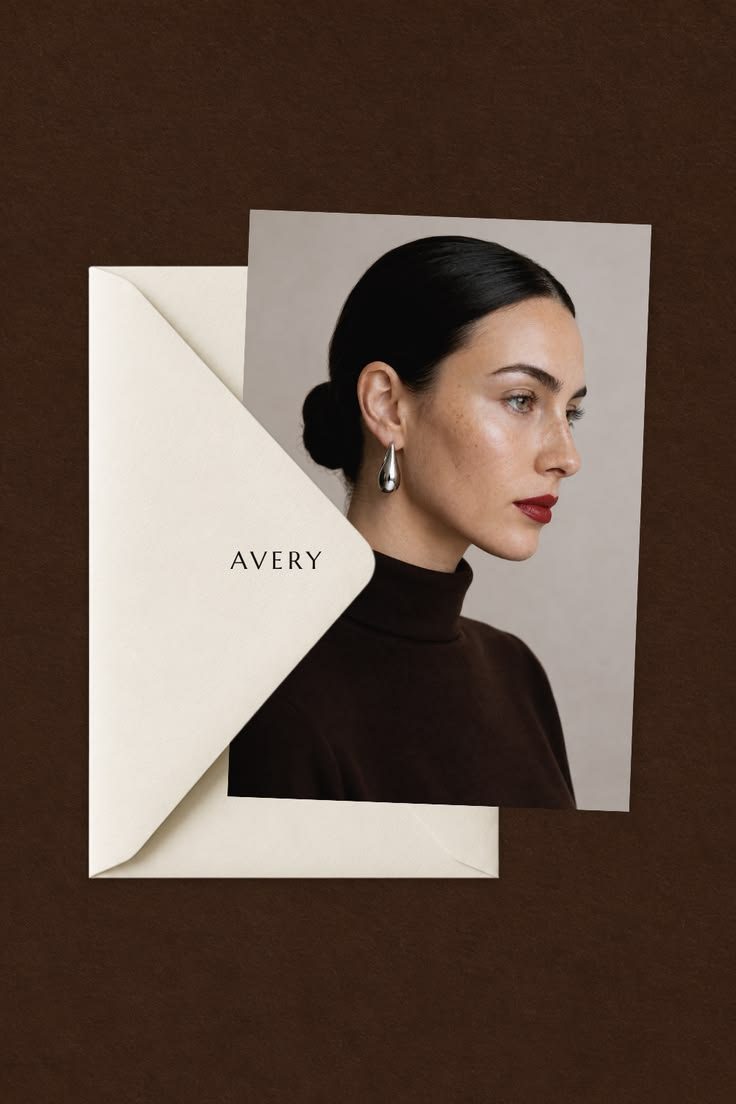
A photo that looks like you
One good photo where you look like yourself on a good day is worth more than five stiff ones. Natural light, your own space or your work in the background, and an expression your clients would recognise when they meet you.
End with an invitation
People who've read your whole about page are warm. Don't leave them at a dead end. Finish with one clear step: book a call, see the work, or view your services.
Writing about yourself is hard for almost everyone. If you'd rather have someone interview you and write it, copy is included in every package.
Questions, answered
How long should an about page be?+
Most good about pages are somewhere between a few short paragraphs and a single scroll on a phone. Long enough to feel personal, short enough that people reach the button at the end.
Should I write my about page in the first or third person?+
If you work on your own, write in the first person. It feels warmer and more honest. The third person works better for a short speaker bio or a press kit.